

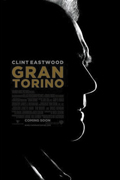
Directed by Clint Eastwood (Warner Brothers, 2008)
For three decades Clint Eastwood made his bread and butter celebrating the American myth of heroic violence, playing nameless cowboys and rogue cops who placed their shattered and lonesome faith in the business end of a Colt 45.
But since 1993 this Hollywood icon of muscular masculinity has had serious misgivings about the redemptive power of violence. In films such as Unforgiven and Mystic River, Eastwood rubs our faces in the broken, venal, even monstrous side of men who take guns and the law into their own hands. In his bookend set on World War II—Flags of Our Fathers and Letters from Iwo Jima—Eastwood steps away from jingoistic patriotism, showing us the terror and hypocrisy mixed in with heroism and holding up the valor and humanity of our enemies. And in Million Dollar Baby Eastwood unmasks the cruelty and violence of the manly sport of boxing and makes us keep company with a victim of senseless cruelty. As he gets older, violence seems to disturb Eastwood’s sleep more, his gunslingers haunted by the ghosts of their victims and the guilt for their crimes.
So, too, in Gran Torino. Retired auto worker and widower Walt Kowalski (Eastwood) feels the weight of the Korean boys he killed in combat half a century before, even as he picks up the very same rifle to draw a bead on local Hmong hoods terrorizing his decaying Detroit neighborhood. On some level Kowalski knows the futility of taking up arms but is trapped by the myth of manhood in which he has been raised and abandoned. He would like to find the words to unburden himself of this decades-old guilt or the skills to mentor and parent another boy being sucked into this vortex, but he does not know another way.

In the end Kowalski will use violence to disarm or trap violence, taking up an unexpected cross and riding out of the story in a way very different from the youthful cops and cowboys Eastwood used to play.







Add comment