Logo

Too true to school: Seminaries and sex abuse

Friday, May 14, 2010
Too true to school: Seminaries and sex abuse
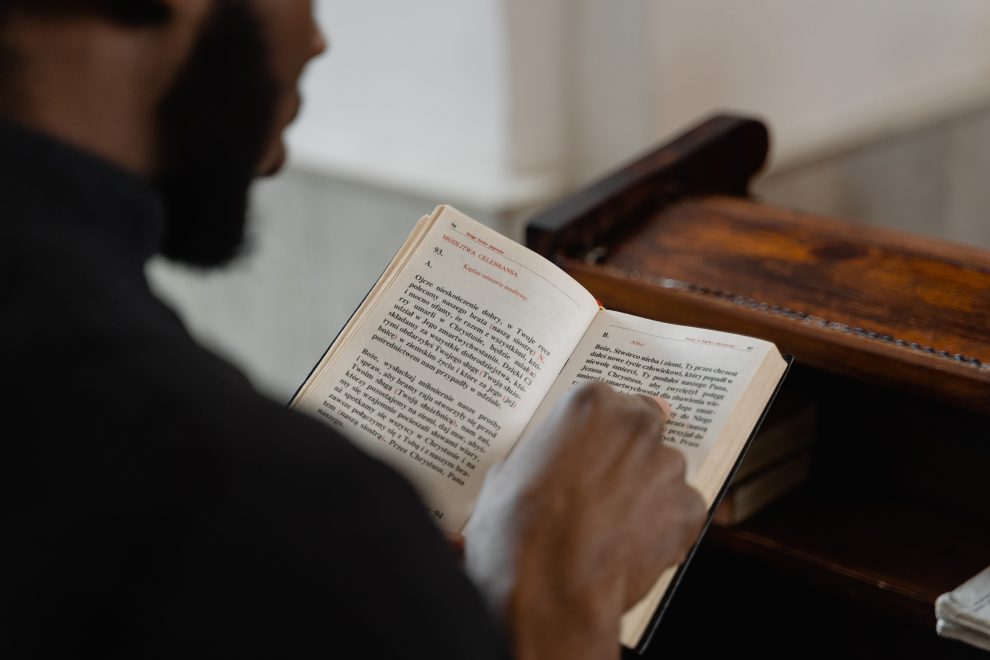
Photo by Michael Sineni
ShareThis
The sex abuse crisis should teach us that it takes more than a seminary to raise a priest.

In the spring of my first year of college, I wrote my bishop and told him I wanted to be a priest in our East Tennessee diocese. Four months later I was in the seminary—at a Benedictine monastery on the far side of Missouri, a good 13-hour drive from the Catholics among whom I had experienced a call to serve.

On the way, I stopped for the night at a small high school seminary just across the Mississippi River, where my bishop had been rector. There I met some nice priests and learned about one of the few remaining seminaries for high school students, once common stops on the way to ordination.

I didn’t know it then, but the visit was my first contact with the clergy sex abuse crisis. Within 10 years I learned that two of the priests I had met were perpetrators; one was carrying on an abusive relationship with a student I would meet when I arrived at seminary. The third priest claimed on national television to have been abused by my bishop, who was one of the few in the United States to resign as a result of the scandal.

As the latest chapter of the sex abuse catastrophe is being written across Europe, I remain struck by how early in my clerical training I was “involved.” My time in seminary left an indelible mark on me, much of it for good. Yet it occurs to me that it is the way we prepare priests—rather than celibacy, homosexuality, or any other of the “causes” ascribed to the crisis—that is a major part of the problem.

In effect, a Roman Catholic priest is made in a way similar to a U.S. Marine. Candidates are sent away to “basic training” for an extended time, share an intense experience in a strict hierarchical system, and are encouraged to form bonds of brotherhood in that system, in fact, to draw their identity from it. Precious few non-priests are involved in the day-to-day formation of seminarians, and personal contact with parishioners, especially women, is limited and infrequent.

One result of such formation is a certain loyalty to the priestly institution, such that priests identify first with their brothers rather than with those they are ordained to serve. (I still detect that tendency in myself though I was never ordained.) One product of such group loyalty has been a systemic failure among priests and bishops to report clerical child sexual abuse, some cases of which are so monstrous they should be labeled rape and torture.

To sex abuse one could add the less sensational problems of food and substance abuse and other sexual and financial misconduct among priests, which only ever seem to be detected when a particular case spirals completely out of control and ends up on the front page. It is rare indeed for a priest to report a brother who is faltering to higher authorities, often out of fear that “scandal” will result. Those who do, I have been told, find their concerns are rarely acted upon.

If clerical culture itself is at least part of the problem lying beneath the sex abuse crisis, then an obvious remedy must begin where that culture is created. Priestly formation must of course foster a common identity among the ordained, but a pastor must also identify with the people he will serve.

Sending candidates hundreds of miles from their local churches for training does not foster that connection. Neither does it make sense to leave the formation of future pastors almost solely to other priests. Seminarians need the guidance and Christian witness of laypeople every bit as much as they need good ordained role models. Perhaps if families with children had been a daily part of seminary formation in the past, victims of sex abuse would have found a fairer and more generous hearing when they first spoke out.

Today’s seminary system was created as a response to the Reformation and was meant to educate a clerical corps that could hold the line against Protestantism. Now that system is part of a problem so serious that it is undermining not only the moral authority of the Catholic hierarchy all the way to the pope but the Catholic proclamation of the gospel itself.

That proclamation is finally the only mission of the church; the priesthood, as well as the institutions that form its members, must empower that mission, not cripple it. The residential seminary system is hardly part of the deposit of faith, and there are other ways to prepare clergy. Priestly training should create pastors to shepherd God’s people, not a clerical system that fails the weakest of those in its care.

Bryan Cones is managing editor of U.S. Catholic. This article appeared in the June 2010 issue of U.S. Catholic (Vol. 75, No. 6, page 8).

Comment viewing options

Select your preferred way to display the comments and click "Save settings" to activate your changes.

Training of priests...

I couldn't write my experience in the seminary better than did Bryan. I, too, was 2 years in a seminary run by Benedictines. The constant daily talks given by the rector were about "particular" relationships, not to associate with women during the summer vacation, remaining aloof. Later in theology we were taught apologetic theology and could not get it changed even during the Second Vatican Council. I was sent to a psycologist when they doubted my vocation, a member of the United Church, who found me to be a very social person "who should be ordained right away--he would be a good priest." The seminary rector found this to be a problem--priests should avoid this type of life.

Some 15 or 20 years after leaving the seminary the rector of the seminary where I was in the Benedictine (the same rectory I had) was accused of sexually touching the young seminarians. I never did hear if it went to trial.

The problem the Church has is by the way not homosexuality but pedofilia.

Alex

Seminary training MUST be changed

Seminary "culture"

Even a woman can see that it is the culture created by an all male clergy, trained by men, and taught that they are above us mere mortal lay people because they are ordained, that is the heart of the abuse problem. Loyalty to that male cluture was placed above all else, even the well-being of children. In our diocese the seminary for college age young men once again has been remmoved from the college cammpus to a remote and rather secluded place where they live in a vacated convent building. So the cycle will repeat itself with that culture "protecting" them from real relationships and the experience of living in a world that is both male and female, laity and ordained and where they will wear their cassocks to set them apart from those to whom they will be sent to minister.

St Louis?

That wouldn't be St Louis, would it??

The problem is homosexuals

The problem is homosexuals in the seminaries. To say otherwise is to deny the truth.

It's part of it

No doubt. But getting rid of gays won't end the insular "we're different" clericalism that makes them feel that the rules of society don't apply to them. The same thing happens with cops and less savory groups like the Mafia, the KKK etc. It's common in political organizations. Remember Reagan's 11th Commandment, "Thou Shall Not Speak Ill Of Any Fellow Republican" (Conversely, Will Rogers' "I belong to no organized party; I am a Democrat") and Nixon's “If the president does it, that means it's not illegal”. It's the same good ol' boy network except worse because they have God, Confession and Absolution on their side. I think a lot convince themselves that whatever sins they or their fellow priests commit pale in comparison to the Holy Orders role they have in the salvation of the world according to God's plan. They don't think the temporal world's laws apply to them. They're like Leona Helmsley when she said, "We don't pay taxes. Only the little people pay taxes". Of course a priesthood without gays would be a new thing. There have always been homosexual priests. The priesthood was a common and logical place to go for men who were not interested in marriage for one reason or another. Boys of a "certain way" were steered there. There may be more now than in other periods but pretending there weren't always more than in the general population is wishful thinking. Maybe women weren't aware of it but men always knew.

IT'S PART OF IT

Well said. Thank you. Homosexuality is sexual orientation; Pedophilia is sexual perversion-a disease.

You liberals and your

You liberals and your assigning of terms.

Homosexuality is very much a disorder. It is a deviation from the normal, which is heterosexuality. It is unnatural, since the natural sexual attraction is to members of the opposite sex so as to promote PROCREATION. The penis goes into the vagina, my lord, it doesn't take a brain surgeon to figure that one out!

But you liberals like to play with words to promote your sinful freedoms. Homosexuality being an "orientation", human life in the womb being a "fetus", euthanasia being "physician-assisted suicide." You people are all sick!!! You should shove the Bible in your mouths and choke on the word of God just a bit.

Seminarians and the Priesthood

I found the article by Bryan Cones very enlightening. I was struck by his explaining the loyalty that is expected from Seminarians, Priests, Bishops etc. within the Catholic Church. I am an elderly Lay Person and attended a Convent School where we were told not to report at home anything that happened within the school. Misguided advice, if not something worse.
I have thought, for a long time, that if newly ordained Priests were sent to live with a family for a year while serving in their new Parish this would give them a better idea of why the average person needs Priests that can relate to them with understanding.

Optional Celibacy

Maybe just make celibacy optional or, heaven forbid, required, then they'll know and understand REAL life!!

Source: Former seminarian of 6.5 years

Seminaries and sex abuse

Thank you Brian for adding your valuable insights into the part seminaries play in fostering the clericalism of the "boys club." Often the only place a priest seems to be able to be completely free to "let his hair down" and be himself is when he plays uncle in his family of origen. The rest of the time he is always "on stage" as it were, being the job discription. They isolate themselves personally from the people of their parish except when they are in their functional role as priest, teacher, or counselor. As a result they have professional relationships with parishoners, but not close personal relationships
Brian points out that this distance is required by rhe seminary system.

Comment viewing options

Select your preferred way to display the comments and click "Save settings" to activate your changes.
U.S. Catholic insists on a civil and respectful dialogue on our website, following our Comment policy. Comments should be charitable, on topic, and brief. U.S. Catholic reserves the right to delete comments deemed inappropriate. We encourage you to choose your words wisely.